
Livingston County Wanted-List Finding
The Livingston County Sheriff's Office has no Most Wanted page. There is no public warrant portal either, and no county roster to scroll. That absence is the answer itself. The Sheriff's site does offer a Tip Line, public-information releases, general social accounts, and an Offender Watch link, but none of those works as a current list of people being sought. One more trap deserves mention: search engines happily return results for a Livingston County in another state, and those pages say nothing about a New York warrant.
With no verified list, there is no dependable count of who is being sought locally. No agency rule explains how entries get added, reviewed, updated, or removed. There is no recurring feature such as Warrant Wednesday. A dated social post or news story can still serve as a lead worth raising with an official. But it should not be treated as proof that a warrant is still active, or used to pinpoint where a person is now.
Keep the record types separate, too. A warrant is an order, not a booking. It says nothing about whether someone sits in the Livingston County Jail, has been released, or has moved into state custody. An arrest release, meanwhile, may describe a local booking without ever mentioning a warrant. Each record covers a different moment and a different question.
Note: A failed web search cannot prove that no Livingston County warrant exists or that an older public notice remains current.
Livingston County Wanted-List Fields
Most people picture a wanted list with a name, a photo, a charge, and a number to call. Livingston County publishes nothing like that. Its verified sources carry no live list with those fields. So any person-specific answer has to come from an official confirmation rather than an assumed online result.
| Expected wanted-list field | Livingston County research finding |
|---|---|
| Public name entries | No verified Sheriff wanted roster or public warrant list was located. |
| Booking or wanted photograph | No public wanted-list photo policy or image display was verified. |
| Warrant basis or charge | No live public list was found that supplies a standardized warrant field. |
| Entry count and update date | No count, refresh schedule, or expiration rule was published. |
| Reward or public-campaign terms | No reward policy or Warrant Wednesday feature was verified. |
Those limits also mean there is no Sheriff source to copy, republish, or turn into a photo gallery. Official records can be restricted for case reasons, privacy rules, sealing, or an open investigation. When a particular name matters, ask the agency or court that holds the process. Don't treat a stray web result as a county record.
Check a Livingston County Warrant
Start with a phone call. The Livingston County Sheriff's Office general and non-emergency line is 585-243-7100, and staff can point a lawful question to the right channel. If the matter already sits in court, the court or its clerk is the proper route. Avoid the temptation of aggregators, stale posts, or blank search pages, since none of them can confirm or rule out a warrant.
Handle the details with care. A full name, an approximate date, the court location if known, and any case or docket number will help the receiving office find the right record fast. Do not spread those details around publicly. If the question touches the person named, the court or qualified legal counsel is the safe path for sorting out obligations, appearance dates, and the next lawful step.
- Write down the person’s full name and any known case, court, or approximate date information.
- Call the Sheriff’s non-emergency line at 585-243-7100 and ask which office can address the person-specific warrant question.
- Contact the relevant court or clerk when the matter is tied to a pending criminal case or court record.
- Ask what can be confirmed, what identification is needed, and whether an appearance or another formal process is required.
- For a personal legal matter, speak with the court or counsel instead of attempting to resolve it through a public search.
The countywide booking-record and release-source path helps separate a selected Sheriff arrest release from an actual current-custody record. It still cannot confirm a warrant. A booking record covers local intake, a court file covers the case itself, and state and federal systems handle later custody questions of their own.
Livingston County Court-Check Limits
Start with the Livingston County Clerk when you need court paperwork. The Clerk keeps a criminal-actions index covering County and Supreme Court matters. That index is the official entry point for this record set. It is not a warrant portal, though. It will not hand you a full docket or a booking photo.
Some files stay closed to the public. Sealed cases, youthful-offender matters, and other protected proceedings fall in that group. A court file can also show later events that differ from what an arrest release first described. When you need an official outcome, ask the Clerk or the court which records may be reviewed and how to get copies.
The County Clerk’s official page lays out the entry point and its limits.
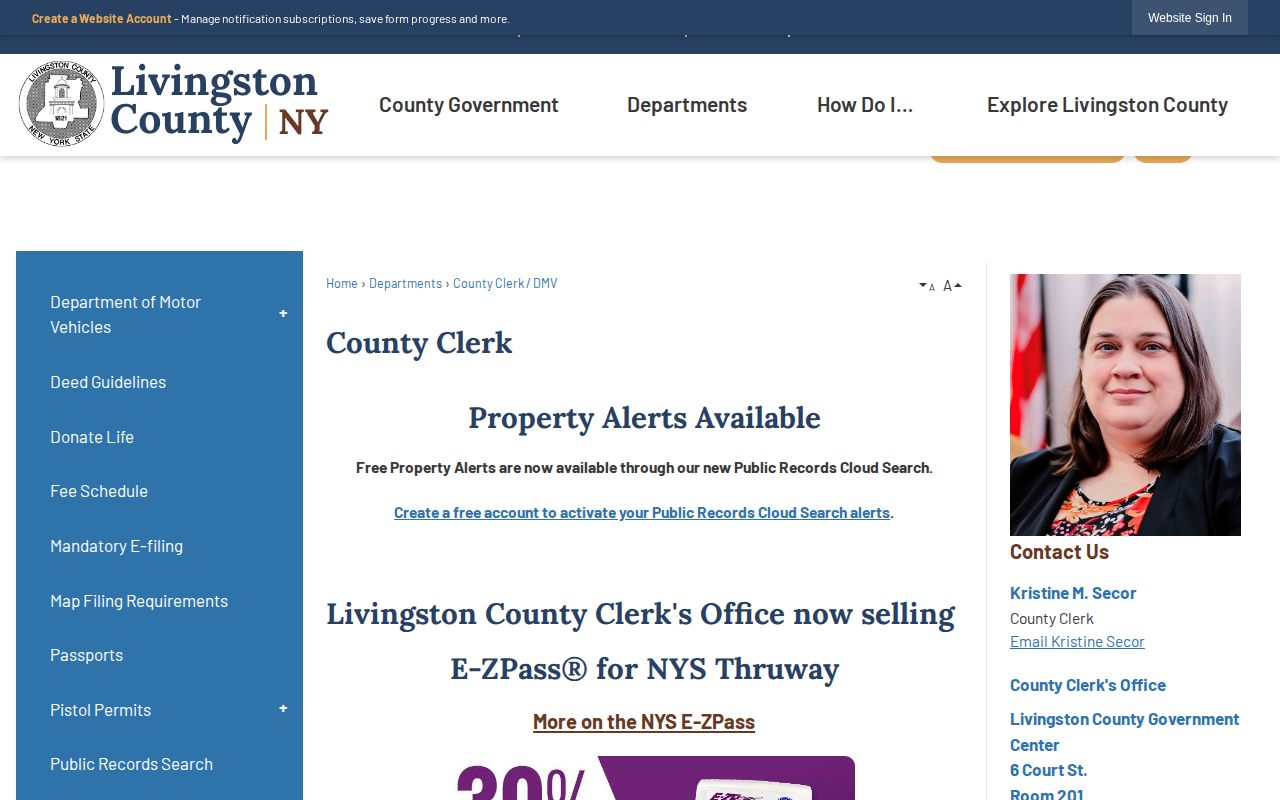
The clerk route fits a case that has already reached County or Supreme Court, while the Sheriff stays the official first contact for any person-specific warrant question.
Note: A criminal-actions index can direct a court inquiry, but it does not replace an official statement about an active warrant.
Livingston County Warrant Tip Reporting
Information about possible criminal activity belongs with law enforcement. The Sheriff's Tip Line asks callers to leave precise details, and an online form is offered as well. Identified tips are described as confidential and routed to restricted investigators. Treat it purely as a reporting channel, not a public search service. It also creates no public booking-photo record.
Livingston County Sheriff's Office Tip Route
Tip Line: 585-243-7100
Online: Sheriff Tip Line form
Use it for precise information meant for investigators. Identified reports are handled confidentially, per the Sheriff's Tip Line description.
Drug tips go to one place. The Sheriff's Drug Task Force runs 844-LCSO-TIP, and that number sticks to illegal drug activity alone. The county has no confirmed reward program, so treat any mention of cash for tips as noise. When you call, stick to what you know firsthand. Trained personnel will take it from there and figure out the right response.
Livingston County Warrant Safety
Never chase down a person you think is wanted. Don't follow, confront, or try to hold anyone. A photograph can be stale, a rumor can be flat wrong, and an old news item may no longer fit the facts. If something is happening right now, dial 911. Questions and general information can go through the Sheriff's published non-emergency number or Tip Line instead.
A wanted notice is just one step in a legal process. The case itself belongs to the court, where trained officials sort out what happens next.
The Sheriff’s Calling 911 and local dispatch information page splits emergency reporting from everyday contact routes.
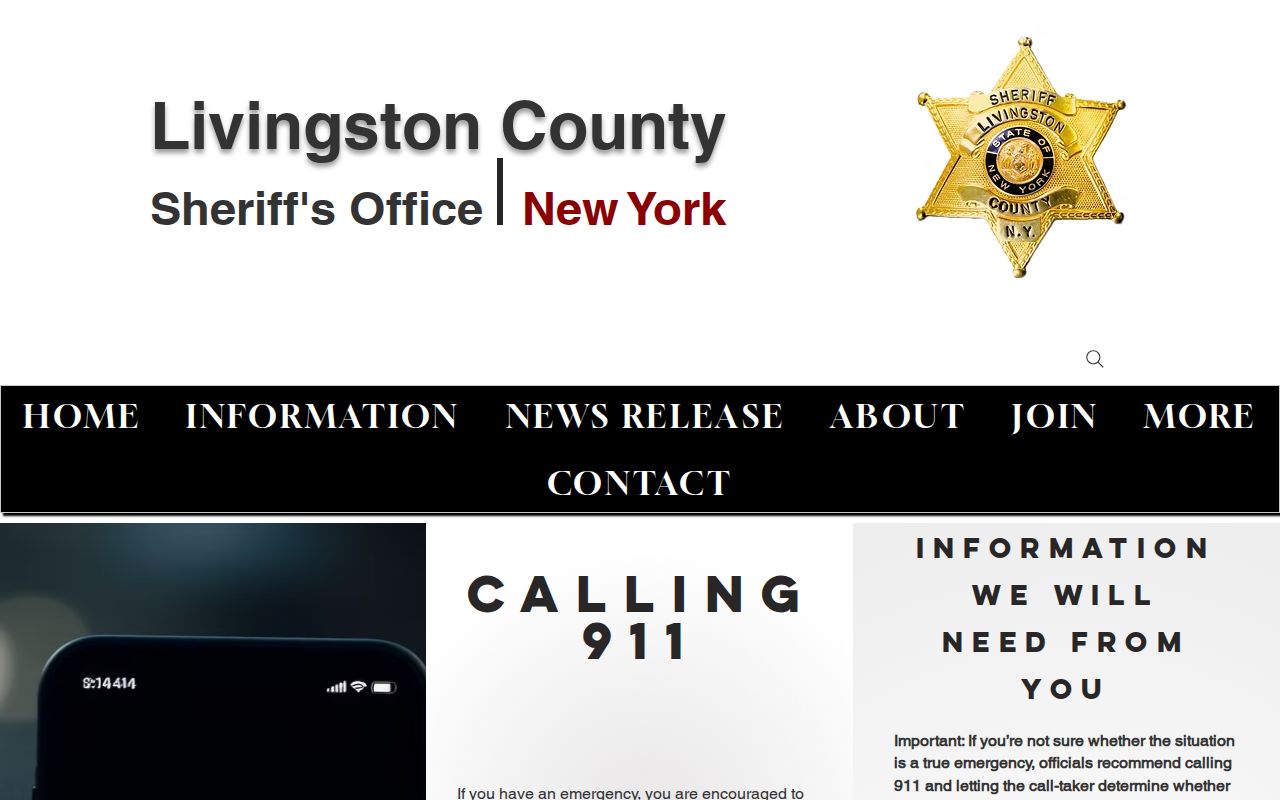
That split matters more than people realize. A 911 call brings help to an incident in progress, while non-emergency contacts and the Tip Line move information to the Sheriff personnel best placed to handle it.
Livingston County Warrant and Custody Status
A warrant and a custody status are not the same thing. A warrant can sit open for someone never arrested. A Sheriff release might describe a person processed through Central Booking or sent to court, but it captures that moment only. Court events can reshape a case long after an older news item goes quiet. Read each source with its own date and purpose in mind. There is no verified public roster showing who is in custody right now, so a news release, social post, or publisher listing can't serve as a live jail locator for Livingston County.
The records route covers a specific arrest or booking record, within legal limits. The court and Clerk path handles later case details, again with access limits. Neither one makes an old wanted notice current. The County Clerk maintains a criminal-actions index, yet the files beneath it may be restricted for sealed, youthful-offender, or other protected matters. An index helps you navigate. It does not promise that every file is viewable or that a warrant still stands. Ask the court or Clerk directly how a specific matter can be checked.
Sheriff releases sometimes note an appearance ticket, release on recognizance, or another immediate court condition in a particular case. Those details describe one published event. They set no countywide rule. They also say nothing about whether some other warrant exists. A different court, agency, or date can change the correct route entirely. Verification lives with the official contact holding the record.
Facing a warrant question yourself? The practical routes are the Sheriff's non-emergency line, the relevant court, and legal counsel. Worried about someone else's behavior? Give precise information to the Tip Line, or call 911 if danger is immediate. Each channel keeps reporting, legal verification, and custody confirmation in their proper lanes.